In one month, Rozari’s Google ads went from 360 shoppers to 567 (+57%) while the average cost per click fell from $1.18 to $0.89 (25% lower). Ad impressions nearly doubled, from 34,534 to 68,381. The same monthly budget bought 207 more shoppers, because we moved spend toward Google Shopping ads and tightened the search keywords around what buyers actually type.
Contents
Table of Contents
Rozari: results at a glance
- 360 → 567 shoppers clicking through to the site (+57%)
- $1.18 → $0.89 average cost per click (25% lower)
- 34,534 → 68,381 ad impressions (+98%)
- 4.41% → 6.18% search click-through rate
- 257 → 472 clicks from Google Shopping ads (+84%)
- Same monthly budget, 207 more shoppers
Sources: Google Ads and Google Analytics, October 2026 compared with September 2026.
Who is Rozari?
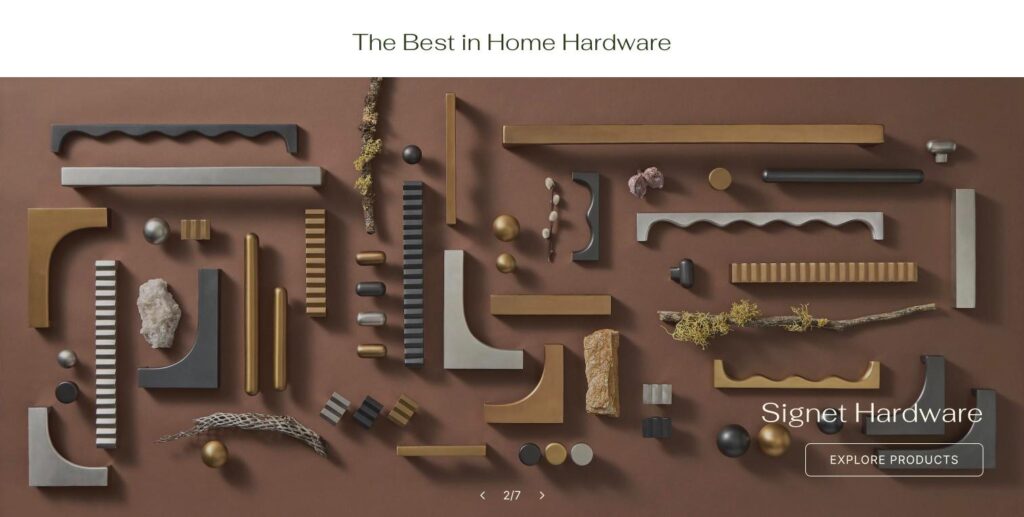
Rozari sells designer door and cabinet hardware online, from brands including Emtek, Baldwin, Deltana, and Plank Hardware. Lexington is its home market, and it serves buyers in high-end neighborhoods across the country. We manage Rozari’s Google Ads.
What wasn’t working in month one?
The first month of ads did its job: it produced real data. That data showed three problems.
- The budget split didn’t match the results. Shopping ads, which show the product, the price, and the Rozari name, were bringing in shoppers far more cheaply than text ads, but the budget was split roughly evenly.
- One broad keyword was wasting money. “Architectural hardware” took 29% of the search budget and matched low-relevance searches.
- Every brand shared one bid. Budget-friendly lines were taking clicks away from the designer brands Rozari wanted to lead with.
What did we change?
Rebalanced toward Shopping. We moved the split from about 50/50 to 70/30 in favor of Google Shopping, keeping the same monthly total.
Retired the broad keyword and added exact matches. We paused “architectural hardware” and added ten exact-match keywords built from a month of real search data.
Split Shopping by brand. Six brand product groups now carry their own bids, so designer lines get the strongest bids and utility items get less.
Adjusted bids by zip code. We raised bids in the eleven zip codes that responded best and lowered them in five that didn’t.
Added headlines that match the searches. New “Luxury Cabinet Hardware” and “Modern Cabinet Hardware” headlines doubled the quality score on “modern cabinet hardware” from 2 to 4, which lowers what Rozari pays for each click on it.
We also completed Google’s advertiser verification ahead of its deadline, so Rozari’s logo now shows beside its ads.
What changed?
The changes paid off in their first full month. Shoppers from ads rose 57% while the cost of each one fell 25%. Google Shopping did most of the work: Shopping clicks rose 84%, to 472 of the month’s 567, at just $0.70 per click.
Search got sharper. Fewer impressions, but the click-through rate climbed from 4.41% to 6.18%, and “Emtek door hardware” alone earned a 10.3% click rate. Search visitors were also the most engaged on the site: 69.7% engaged, against a site-wide average of 16%.
The brand split worked where we aimed it. Clicks on a budget line we deliberately bid down fell by half, and designer lines like Plank, Emtek, and Baldwin gained share.
Most importantly, Google Analytics confirmed purchases from brand-new customers whose first contact with Rozari was a Google Shopping ad. Those are buyers the ads found, not buyers who would have arrived anyway.
What can other online stores learn from this?
The biggest lesson from Rozari is that the first month of ads is for learning, and the second month is where that learning pays. A month of real data showed exactly where the money was working (Shopping, exact-match searches, certain zip codes) and where it wasn’t (one broad keyword, one shared bid). Moving the same budget to what worked bought 57% more shoppers. For stores selling products people compare visually, Shopping ads are often the cheapest way to reach a buyer, because the shopper sees the product and price before they click.
Ads work best on a store that’s built to sell. If you’re starting from scratch, see how we build WooCommerce stores.
Frequently asked questions
How long do Google Ads take to work?
Ads bring traffic from the first day, but the first month is mostly about learning which products, keywords, and areas perform. Rozari’s biggest gains came in month two, after we adjusted based on that data.
Are Google Shopping ads better than search ads for online stores?
For products people compare visually, often yes. Rozari’s Shopping ads cost $0.70 per click, against $1.87 for search ads, and brought in 83% of its ad visitors. Search ads still earn their place for specific, high-intent searches.
Do you need a bigger budget to get more from Google Ads?
Not always. Rozari’s results came from the same monthly budget, spent differently. Cutting waste and moving spend toward what performs is usually the first step before raising the budget.
Want to know where your business stands?
Our free AI Visibility Audit shows whether tools like ChatGPT mention your business and who they recommend instead. Run it from our homepage, or see our SEO services.